Contemporary business environments increasingly turn on technology to develop settings that are both functional and engaging. Among the most useful solutions for enhancing these areas are connected sound solutions. These platforms enable businesses to offer reliable and clear audio throughout business areas, corporate spaces, or service environments. By deploying integrated sound solutions, organizations can control background music, messages, and audio cues from a single platform, ensuring every section of the environment preserves the desired atmosphere. The purposeful application of sound contributes to client satisfaction and engagement, which is critical for retaining customers and encouraging loyalty.
Connected sound solutions also offer a key role in improving operational efficiency. For large commercial areas or multi-floor office buildings, managing music directly can be inefficient and inconsistent. Connected solutions offer centralized command, permitting teams to adjust audio settings, set music selections, or transmit important messages quickly to multiple areas. This capability of management limits the need for repeated management and ensures that all zones receive the consistent standard of acoustics. Companies can also incorporate insights platforms with these solutions to analyze audio usage and optimize sound output, additionally improving the overall client and employee engagement.
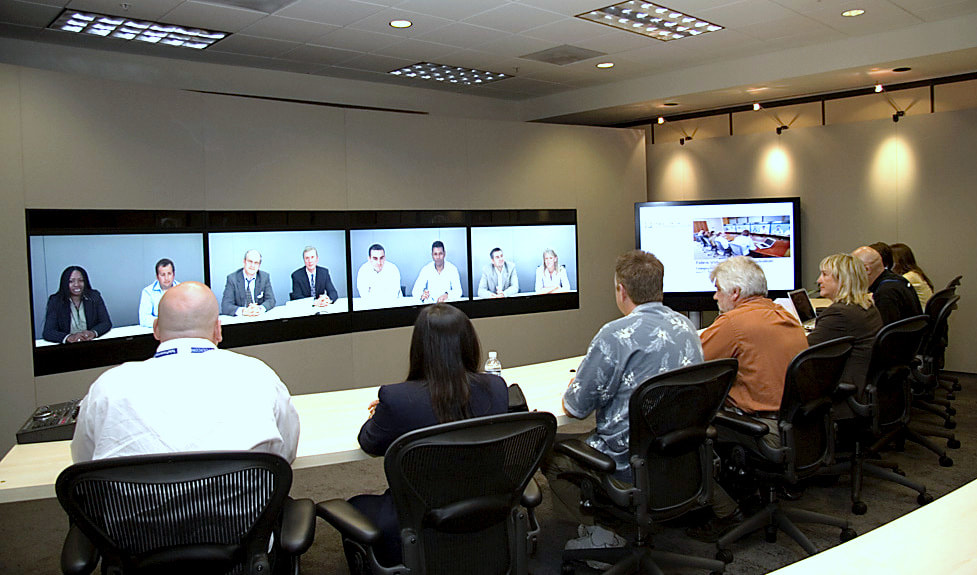
Another important helpful hints factor of connected sound technologies is their impact to corporate image. Acoustic planning is a subtle yet impactful factor that shapes impression and engagement. Thoughtfully curated ambient sound and sound prompts can reflect a company’s identity, making the environment feel comfortable and polished. For example, retail stores can use specific genres or rhythms to encourage customer dwell time, while cafes can modify background music to support meal experiences. The consistency of sound across all areas of a organization helps establish a cohesive space that supports both branding and functional outcomes.
Safety and inclusivity are further advantages of connected audio technologies in commercial spaces. These platforms can be integrated with emergency notification protocols to provide clear instructions during evacuations or emergency events. Consistent audio distribution guarantees that every area of the building receives alerts simultaneously, minimizing uncertainty and improving protection measures. Furthermore, acoustic solutions can provide inclusive functions, such as audio prompts or inclusive notifications, supporting the usability of the environment. Incorporating these features reflects a commitment to both customer care and standards.
Finally|Ultimately|In conclusion, implementing in integrated acoustic solutions offers sustainable advantages for companies. Beyond direct visit improvements to client satisfaction, these technologies provide scalability, reliability, and adaptability as retail areas evolve. Upgrading or modifying acoustic solutions can be accomplished without disruptive disruption, and the ability to adjust sound settings maintains that organizations can adapt efficiently to changing needs or demands. By utilizing advanced audio solutions, organizations can deliver engaging, productive, and secure areas that elevate both consumer engagement and workflow effectiveness, making these solutions an critical component of current commercial design.